Who is the book for?
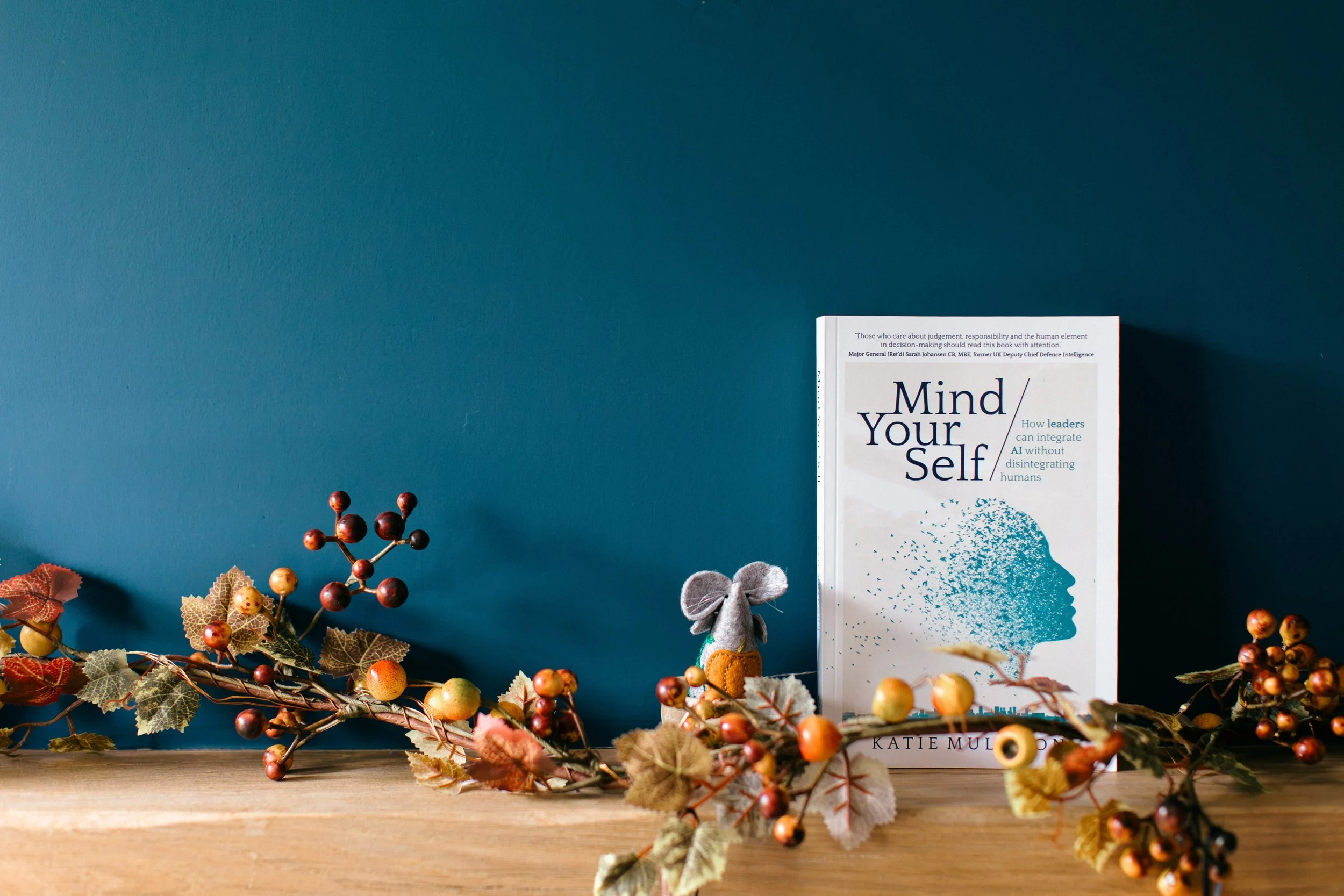
When I pitched the book idea, people asked who I expected would read it.
“Anyone who cares about the future of humanity!” I answered boldly.
Slow nods. hmmms….
“I think you’re going to need to narrow that down. Do you have specific job roles in mind?”
I was asked a similar question when I started my business in 2021. Who was my business designed to help? What was the ‘avatar’ of my ideal client?
I took away a very valuable lesson:
Here is an example avatar: British man, born in 1948, wealthy, famous, twice married, father of two, dog owner, fond of travel, wine and fast cars, lives in a castle.
Who are you envisaging?
Well, turns out that in 2021, that could have been the Prince of Wales and the Prince of Darkness, Ozzy Osborne - not exactly carbon copies of each other.
Rather than the job descriptions of who might want to read my book, I thought about the challenges they were facing, and the beliefs that they might hold. Here’s who I imagine will take something from Mind Your Self - how leaders can integrate AI without disintegrating humans
You lead people through uncertainty, but know that confidence is not the same as clarity.
You are adopting AI, or being asked to respond to it, and suspect the real challenge is human rather than technical.
You want to make better decisions under pressure without becoming more detached, performative or exhausted.
You believe leadership should increase people’s capacity to think, feel and act, not reduce them to outputs.
You want practical ways to lead with more judgement, imagination and emotional steadiness in an accelerating world.
Mind Your Self is not a technical manual, and it isn’t an argument against AI. It is for people who know that AI will be part of their working lives but do not want efficiency to become the only measure of progress.
It is for leaders responsible for people, capability and change.
It is for anyone wondering how their team will develop expertise when machines can perform much of the beginner’s work.
And it is for those who believe that judgement, trust, creativity and human connection will matter more, not less, as technology becomes increasingly capable.